Read the paper before the release
Science agencies, research institutions, news services, computing references and the groups that argue about evidence. Each link was checked in September 2026.
On this page
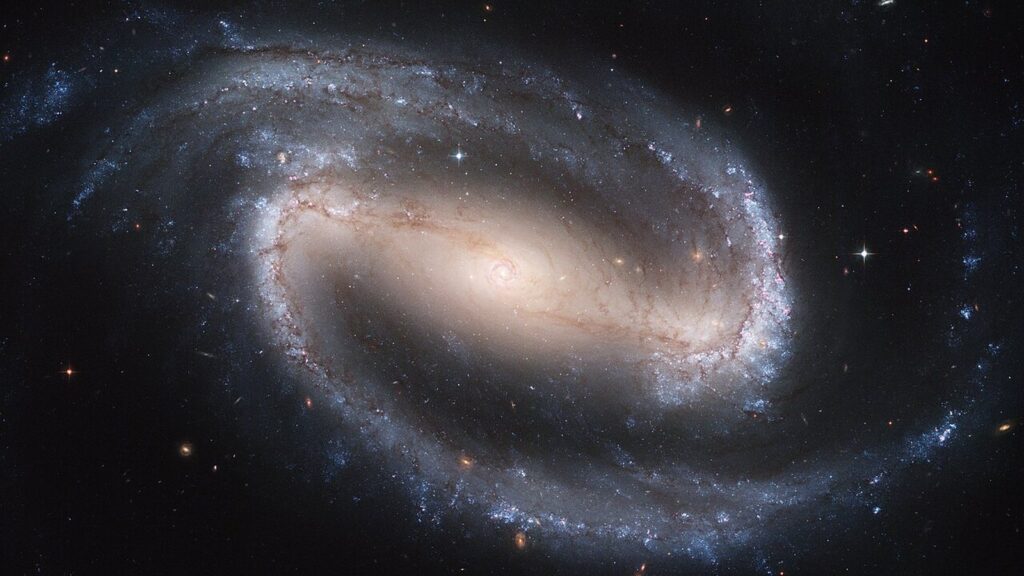
What does a science and technology reporter cover?
A science and technology reporter covers new research, the agencies and labs that fund and do it, and the technology that comes out of it. The beat also covers computing, privacy and the policy fights over how science is used.
Report from the paper, the dataset or the regulator's record. A news release tells you a study exists, but you should read the study and ask an outside scientist before you describe what it found.
Start here
National Association of Science Writers
The professional group for science writers, editors and public information officers.
Newswise
Research news releases from universities and institutions, including embargoed releases.
NCSES data library
National Science Foundation statistics on academic research and development spending.
Nuclear Regulatory Commission
The federal regulator for civilian nuclear power and nuclear materials.
Woods Hole Oceanographic Institution
Independent ocean research institution with a press room and a staff directory for expert sourcing.
Federal science agencies and data
Official sources for research spending, regulation and energy. Record the table name and release date.
- NCSES data library: academic R&D: National Center for Science and Engineering Statistics reports on university research spending.
- U.S. Nuclear Regulatory Commission: Federal nuclear regulator. News releases and information on reactors and nuclear materials.
- U.S. Energy Information Administration: Federal energy statistics and analysis from the Department of Energy.
Research institutions
Use their newsrooms to find researchers. Ask each expert whether they worked on the study you are covering.
- CERN: European particle physics laboratory. Press room, media kits and explainers on the Large Hadron Collider and the Higgs boson.
- Woods Hole Oceanographic Institution: Nonprofit ocean research, technology and education institution. Press room and staff directory.
- Scripps Research: Biomedical research and drug discovery institute. News pages and faculty listings for sourcing.
- Volcano Information Center: Volcano background from a UC Santa Barbara professor emeritus, kept as an archive. Check current activity with monitoring agencies.
Research news and discovery
These services point you to new work. Treat each release as a pitch and go to the paper.
- Newswise: Research news releases in medicine, science and technology, including embargoed items for registered reporters.
- Internet Scout: University of Wisconsin project with searchable archives of the Scout Report, a guide to selected websites.
Computing and privacy
- EPIC Alert (Advocacy): Monthly newsletter from the Electronic Privacy Information Center on privacy and civil liberties.
- ASCII Table: Reference for ASCII character codes with decimal, hex, octal and HTML values.
Skeptics and critics
These groups take positions on which claims deserve belief. Quote them as interested parties and check their sources.
- Committee for Skeptical Inquiry (Advocacy): Group that examines paranormal and fringe science claims. Publishes the Skeptical Inquirer magazine.
- JunkScience.com (Opinion): Blog by Steve Milloy that disputes scientific claims made in the media and by advocacy groups.
Prizes and history of science
- NobelPrize.org: Official record of Nobel laureates in physics, chemistry and medicine, with prize citations.
- History of Science Museum, Oxford: University of Oxford museum with an online collections database and online exhibitions.
For science reporters
- National Association of Science Writers: Membership group for science journalists, authors, editors and public information officers. Resources for freelancers and a code of ethics.
Reporting checks for this beat
- Is the finding from a peer-reviewed paper, a preprint, a conference talk or a news release?
- How large was the study, how big was the effect and how much uncertainty is there?
- Has anyone replicated the result, and how does it fit with earlier work?
- Who funded the research, and do the authors disclose conflicts of interest?
- Did you ask an independent scientist who was not involved in the work?
- For a technology or security claim, has anyone outside the company tested it?
Links were checked in September 2026 for a live page from the same organization. Advocacy groups, trade groups and party sites are labeled and should be treated as interested parties. Verify ownership, date and context before publication.
Sources
- National Association of Science Writersnasw.org
- Newswisenewswise.com
- NCSES data libraryncses.nsf.gov
- Nuclear Regulatory Commissionnrc.gov
- Woods Hole Oceanographic Institutionwhoi.edu
- U.S. Energy Information Administrationeia.gov
- CERNhome.cern
- Scripps Researchscripps.edu